
Mehndi Ceremony
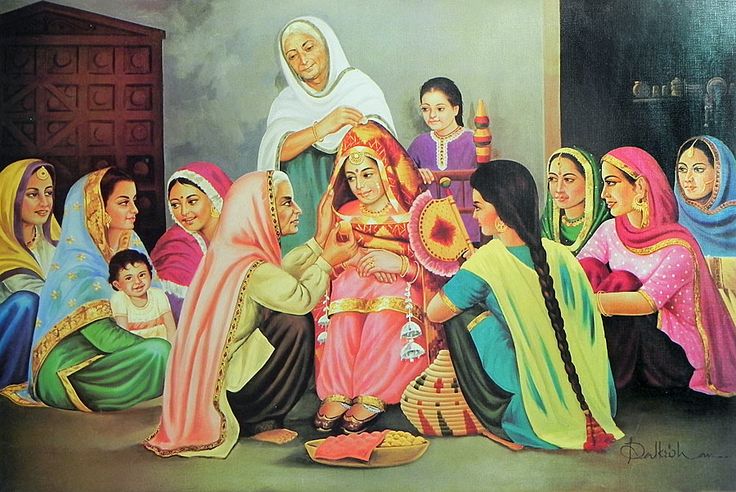
Mehndi Ceremony
The Ritual
The Mehendi Ceremony generally takes place the day before the wedding, in the morning. The bride and the groom’s family observe this ritual separately at their own residences. It is traditionally a women centric ceremony with the men of the family generally not participating. The outfits preferred for the ceremony are simple, in light colors, nothing too flashy. The venues are decked up with flowers and colorful draperies. The bride wears a light yellow or light green colored Lehenga or Salwar Kameez with short sleeves preferably and the groom wears Kurta Pajama also in light colors. It is not compulsory for the groom to wear Mehendi, but a little bit is applied on his hands and feet in simple dots or small designs. The ceremony also involves application of oil on the groom’s hair. The henna for the bride’s ceremony has to arrive from the groom’s side along with some other gifts like fruits, dry fruits and sweets. Women of the house assemble and the Mehndi is either applied by one of the bride’s relative or nowadays by professional Mehendi artists. Designs are more elaborate and depending on what the bride prefers, the henna is applied on the front and back of her palm, forearm, till above the elbows, and on the feet till below the knee. Elderly ladies sing traditional Mehendi songs with dholaks and other musical instruments. Women relatives of the bride also get Mehendi applied to their hands, although the designs are not as elaborate as the bridal Mehendi.
Popular Beliefs
The Mehendi ceremony contains within itself a host of traditional beliefs that are handed down the generations. Traditionally, somewhere within the intricate bridal Mehendi, the groom’s initial is included. In post marriage ceremonies, the groom has to look and find it out. This facilitates a nice ice-breaker for the newly wedded couple especially in case of an arranged marriage. It is also said that the darker the color of the Mehendi, the more love the bride will receive at her in-laws and especially from her husband. The longevity of the color of Mehendi has special significance as well. In older days when arranged marriages were predominant, the bride retaining her Mehendi while visiting her parents’ house after the wedding signaled her mother that the in-laws were considerate and caring.
Significance
Use of Mehendi in a pre-wedding ritual is not just cosmetic but has deep underlying scientific reasons behind it. Henna is known for its cooling properties and is supposed to calm the bride’s nerves when applied to her hands and feet.
Indian weddings comprise of a host of pre and post wedding rituals that extend the happy occasion through days before and after the actual wedding day. These colorful events bring the whole family together, even from far off places. The immediate and extended families, friends and neighbors get together to celebrate the union through various time-tested rituals throughout a span of several days. The Mehendi Ceremony is one such event that is an indispensible part of the wedding celebrations. Mehendi Ceremony generally refers to application of a henna paste in elaborate intricate designs on the bride’s hands and feet. An immensely colorful event, with lots of singing and dance performances involved, the Mehendi ceremony officially kicks off the wedding festivities in full gear.
This ritual is not only part of Hindu weddings in Northern and Eastern India but also a part of the wedding rituals among Indian Muslims. The ceremony is observed in countries adjoining India like Pakistan and Nepal, as well as in several Arab countries in the Middle East.
Although, the ritual was predominantly observed in parts of northern India, Rajasthan, Gujarat, Uttar Pradesh, Bihar, Madhya Pradesh and Punjab, the trend has gained popularity all over India. More and more cultures are embracing the idea of Mehendi Ceremony as a pre-wedding ritual mainly due to the aesthetics involved. The ceremony has become a symbol of grandeur, fun and festivities, and excuse for some major pre-wedding girl bonding.
http://www.culturalindia.net/weddings/wedding-rituals/mehndi-ceremony.html

Recent Comments